11th-13th CENTURY
Monasteries in Ireland and Scotland keep writing alive in the Middle Ages, but use their own shorthand symbols for “et” or “and”, explaining the variation in styles.

|
14TH-16TH CENTURY |
|
Italian Renaissance artists and writers create the glyph we most recognize and put it into common use for titles and names. |
18TH-19TH CENTURY
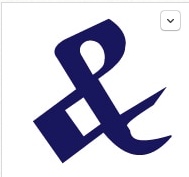
English school children learn it as the 27th letter of the alphabet. To distinguish it as a stand-alone character in recitation, they say “and per se and” which fuses together to become the name.

|
20TH CENTURY |
|
Jonathan Hoefler establishes a type foundry in New York City, which created ampersands in original typefaces commissioned by retail and media giants—The New York Times, Condé Nast, Rolling Stone, Tiffany & Co., Nike, and Hewlett Packard, to name a few. |

21ST CENTURY
Other famous typeface designers take a liking to the ampersand because of its playful, creative opportunities. Our love affair with the glyph continues.

the 27th letter of the alphabet (from Roman Times)
-
1.a hieroglyphic character or symbol; a pictograph.“flanges painted with esoteric glyphs”
-
strictly, a sculptured symbol (e.g., as forming the ancient Mayan writing system).
-
Computinga small graphic symbol.
-
-
2.Architecturean ornamental carved groove or channel, as on a Greek frieze.


 The Vibrant Channeled Creator