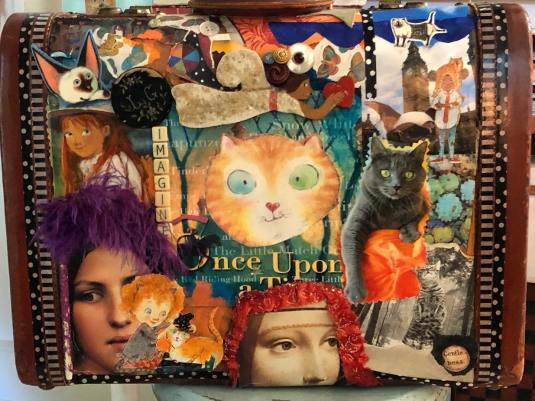
illustrator: J Byron Schachner
Jeanne Poland's Poetry Blog
14 Nov 2019 Leave a comment
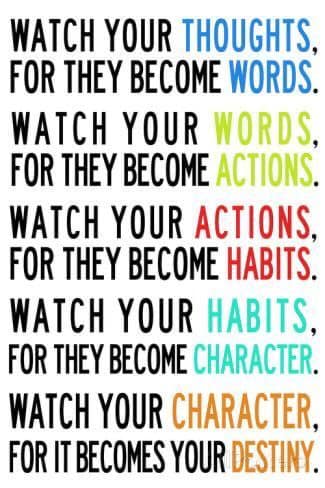
in How to be a Vessel of Power, Poetry Tags: actions become habits, before they become words, character becomes destiny, habits become character, How to be a Vessel of Power, illustrator: J Byron Schachner, watch your thoughts, words become actions
illustrator: J Byron Schachner
13 Nov 2019 Leave a comment
in Poetry, the captivity of babies... Tags: aging baby, air, amazed, being held, breathlessness, escaping babies, impeccable, Margaret Hasse, new blood, nursery, Owen the newborn and the 2 year old, perfect love, seatbelts, sub-culture, the captivity of babies..., The Writer's Almanac, tricky babies, winters here, wise
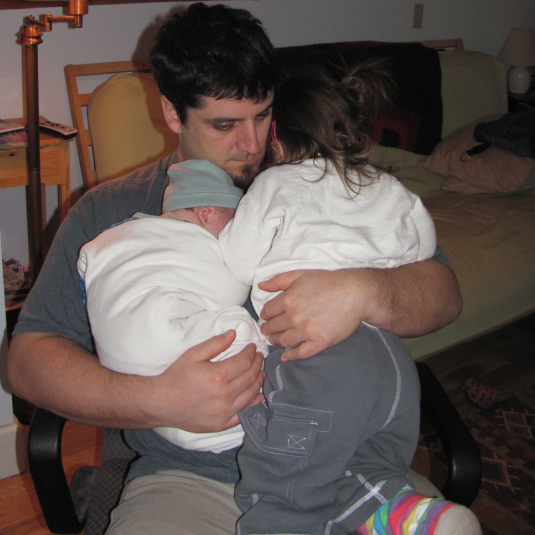
Owen holds the newborn and the 2 year old
The Writer’s Almanac for Sunday, November 10, 201
On the Captivity of Babies by Margaret Hasse
Now that winter’s halfway here,
leaves swirl coldly and babies aren’t seen much
except in the captivity of nurseries s
lumbering with their hands drawn into roses.
Babies are unto themselves,
a little sub-culture, none of whom suspects
how many other babies are being held
all over the world.
Babies escape slowly
from the little pens, the seatbelts,
the restraining arms.
It’s brilliant. Few notice
how tricky babies are.
On occasion, an aunt might fix a BB sharp eye on the little one,
and fire, “My how you’ve grown!”
The escaping baby feels very uncomfortable.
Babies enter the world impeccable and wise.
They leave their little prisons,
put nakedness in abeyance,
take on the clothes of the world,
spend a long time trying to locate
a perfect love
that resembles their first.
From time to time, they achieve glimpses.
As when an aging baby
late for a business appointment
sits dreamily in his car,
cigarette’s blue smoke
lingering in curlicues.
Before him a large leaf
shoved by the windshield wipers, is waving.
Or when a woman who has never run
to breathlessness, does so.
Amazed she does not burst,
she draws in large packages of air,
thinks of air as the new blood.
“On the Captivitiy of Babies” by Margaret Hasse from Stars Above, Stars Below © Nodin Press, 2018. Reprinted with permission
12 Nov 2019 Leave a comment
in Poetry, reviewer of novels Tags: aliens, armour, Armt, Billy Pilgrim, bombers, hot fudge sundae, Kurt Vonnegut, meat locker, preposterous, rage, reviewer of novels, science fiction, slaughterhouse, time, WWII
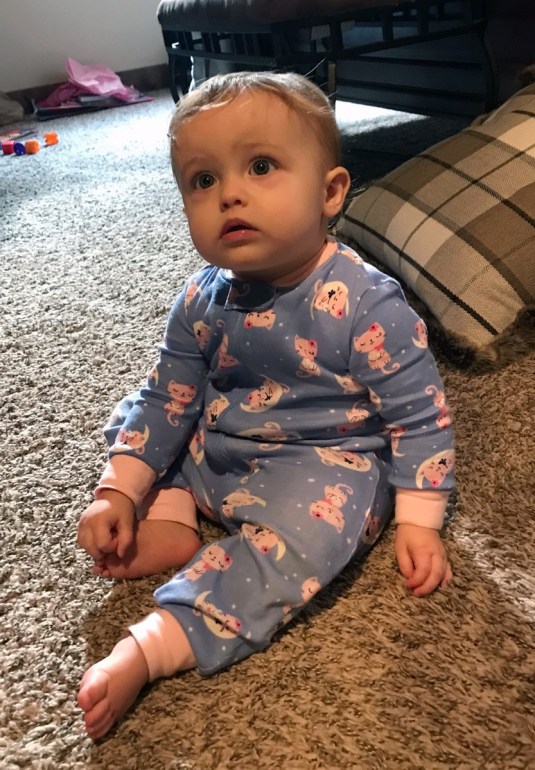
I am a new and novel work of art. Refrain from reviewing me with rage !
Nov 11,2019
It’s the birthday of a writer who was also a veteran, Kurt Vonnegut, born in Indianapolis (1922). He joined the Army, and in December of 1944, he was captured by the Germans during the Battle of the Bulge. He was imprisoned in a slaughterhouse in Dresden. On the night of February 13, 1945, British and American bombers attacked Dresden, igniting a firestorm that killed almost all the city’s inhabitants in two hours. Vonnegut and his fellow prisoners only survived because they slept in a meat locker three stories below the ground.
He spent the next two decades writing science fiction, but he knew he wanted to write about his experiences in Dresden, and finally did in his novel Slaughterhouse-Five (1969), about a man named Billy Pilgrim who believes that he experiences the events of his life out of order, including his service during World War II, the firebombing of Dresden, and his kidnapping by aliens. He decides there is no such thing as time, and everything has already happened, so there’s really nothing to worry about.
Kurt Vonnegut, also wrote Cat’s Cradle (1963), Breakfast of Champions (1973), and many other books. He once said: “Any reviewer who expresses rage and loathing for a novel is preposterous. He or she is like a person who has put on full armor and attacked a hot fudge sundae.”
11 Nov 2019 Leave a comment
in My Veteran, Poetry Tags: but not the marine out of him, Don, My Veteran, take him out of the Marines
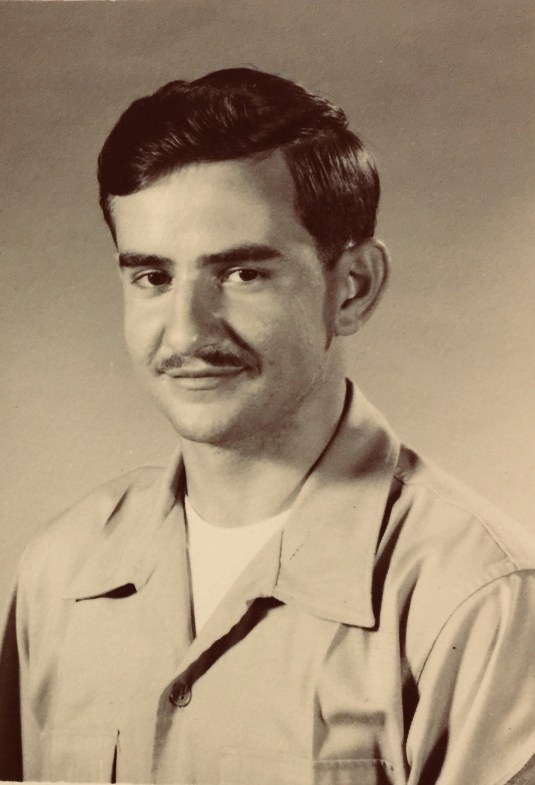
You can take Don out of the marines, but you can’t take the marine out of Don!
08 Nov 2019 Leave a comment
in Poetry, Reluctance Tags: aching, climbed, creeping, divided his paths, end of a love or season, go with the drift of things, huddled, Out through the fields and woods, Reluctance, Robert Frost, scraping, sleeping, wither

watercolor illustration by Neil
Reluctance
by Robert Frost
Out through the fields and the woods
And over the walls I have wended;
I have climbed the hills of view
And looked at the world, and descended;
I have come by the highway home,
And lo, it is ended.
The leaves are all dead on the ground,
Save those that the oak is keeping
To ravel them one by one
And let them go scraping and creeping
Out over the crusted snow,
When others are sleeping.
And the dead leaves lie huddled and still,
No longer blown hither and thither;
The last lone aster is gone;
The flowers of the witch hazel wither;
The heart is still aching to seek,
But the feet question ‘Whither?’
Ah, when to the heart of man
Was it ever less than a treason
To go with the drift of things,
To yield with a grace to reason,
And bow and accept the end
Of a love or a season?
“Reluctance” by Robert Frost. Public domain.
Robert’s LOVE of a woman
and
writing poems
divided his paths
evermore…
04 Nov 2019 Leave a comment
in "haccain" Old English: cut in pieces, Poetry Tags: "haccain" Old English: cut in pieces, cuts back on the form, cuts of wood, drives it, elegance lost to drudgery's force, hack, hack it, hack off the branches, inflict it, original art, pest provokes, poem by Jeanne, rough heavy blows, through the wall', vexes the grain, wigs it
Copy & Paste this URL to view the video below:
https://www.youtube.com/watch?v=PcgeYgQkN20

hack
hack off the branches
rough heavy blows:hack
it, inflict it: cuts of wood
elegance lost to
drudgery’s force, while
pester provokes, vexes the grain
original art
cuts back on the form
drives it, wigs it through the wall
poem by Jeanne
04 Nov 2019 Leave a comment
in Poetry
When Annika was little
Please enjoy the new effects and marvelous movie camera available on my iPhone through the OS: Maverick!
We are one tiny step away from retina screen!
Jeanne
04 Nov 2019 Leave a comment
in Poetry
And with the silhouette, drama!

William Cullen Bryant
Be one who wraps the drapery of her couch
About her, and lies down to pleasant dreams.
04 Nov 2019 Leave a comment
in Neolythic, Poetry Tags: Afghanistan, children's author, East of New York, memories of eldest elders, Neolythic, no media, roadtrips, Tamin Ansary, West of Kabul
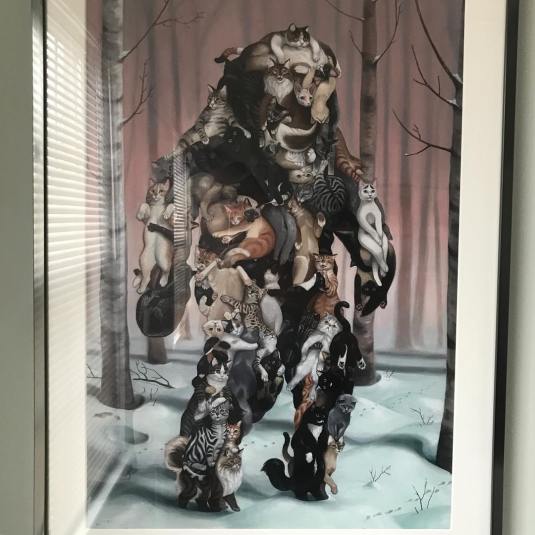
It’s the birthday of historian and novelist Tamim Ansary
born in Kabul, Afghanistan (1948), author of the memoir West of Kabul, East of New York (2002). He’s of Arab, Mongolian, and Finnish descent, and according to Contemporary Authors, he’s “the son of the first Afghan ever to marry an American woman who was also the first American woman ever to live in Afghanistan as an Afghan.” His dad was a literature and science professor at the University of Kabul, and his mom taught English at Afghanistan’s first school for girls. When he was a teenager, he won a scholarship to a high school in Colorado, immigrating to the United States.
He majored in literature in Oregon and then, as he describes it, “plunged into the sixties counterculture like a dog into surf.” He wrote for alternative newspapers, waited tables, lived in communes, penned experimental fiction, and spent a lot of time backpacking and road-tripping. He traveled in 1980 through Turkey and North Africa, he said, to “explore Islam” but “found Islamism instead.”
He returned to the U.S. and promptly got a job as a school textbook editor, working for Harcourt Brace Jovanovich all through out the 1980s. Then he started writing his own juvenile nonfiction, especially for kids in elementary school. He’s written a picture book series on American holidays, a series on Native American tribes, and one on starting hobby collections.
Then, in the late 1990s, he decided that he was going to write about the road trips he had taken in his life, focusing on a few of them, and make it into a book he’d call “The Journey of a Life.” For the next year, whenever he could sneak time away from the writing that paid the bills, he sat down and wrote whatever he could remember about his life before America, his childhood and adolescence in Afghanistan. Pretty soon he had written a thousand pages about his childhood in Afghanistan — none of which he had read over. And then 9/11 happened, and his agent said, “You should write something. Don’t you have something to write about Afghanistan?” He had more than a thousand pages, in fact — and so Ansary began to shape those pages of memories he’d written into a book.
The result was a highly acclaimed memoir, West of Kabul, East of New York (2002), which begins:
“In 1948, when I was born, most of Afghanistan might as well have been living in Neolithic times. It was a world of walled villages, each one inhabited by a few large families, themselves linked in countless ways through intermarriages stretching into the dim historical memories of the eldest elders. These villages had no cars, no carts even, no wheeled vehicles at all; no stores, no shops, no electricity, no postal service, and no media except rumors, storytelling, and the word of travelers passing through. … People lived pretty much as they had eight thousand years ago.”
03 Nov 2019 Leave a comment
in Poetry, rainbow woman and the survivor Tags: 2019, coffee, digital man, enlightenment comes, gleaming with cold, gleaming with heat, jam butter, Jeanne Marie DeLoca, Joel Brouwer Nov 3, jp, magic, merci, pronunciation, Quicksilver, rainbow woman, rainbow woman and the survivor, rainbows carry both, rainy February blocks, secret, spell, survivor man, the missing thing
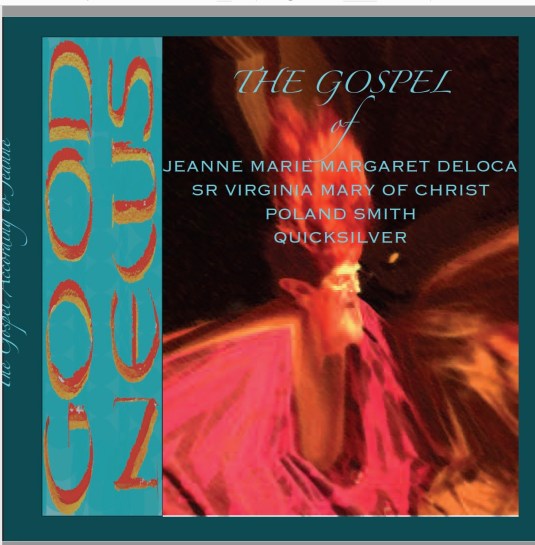
rainbow woman
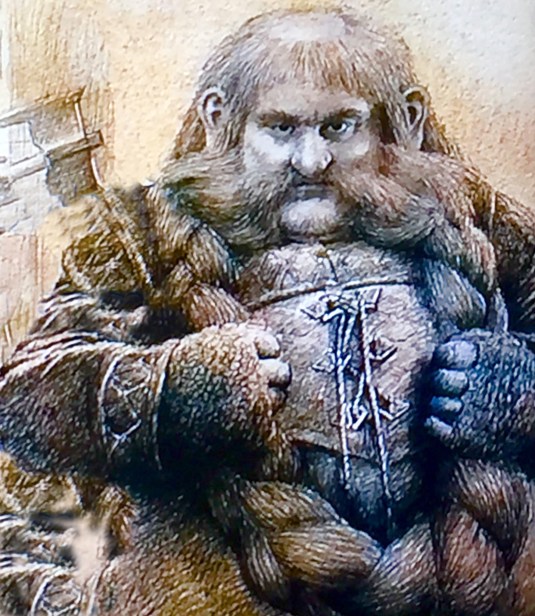
survivor man
digital man-rests
enlightenment comes
while rainbows carry both!
jp
By Joel Brouwer Nov3,2019 (Poetry Almanac)
He rose before her every morning
to walk three rainy February blocks
to the best and cheapest boulangerie.
Our secret, they said, and didn’t tell friends.
Bonjour Madame, bonjour Monsieur,
une baguette s’il vous plaît, oui Monsieur,
merci Madame, merci Monsieur.
The spell had to be pronounced perfectly
to accomplish the magic. By the time
he returned, she had everything ready,
the jam pots and butter, bowls of coffee.
Her skin still lustrous with sleep as she turned
toward him. He kissed her with his coat on, she
gleaming with heat, he with cold. I’m only
missing one thing, she said. Indicating
the black plastic basket on the table.
Joel Brouwer, “The Missing Thing” from And So. Copyright © 2009 by Joel Brouwer. Used by permission of The Permissions Company LLC on behalf of Four Way Books, http://www.fourwaybooks.com.


 The Vibrant Channeled Creator