

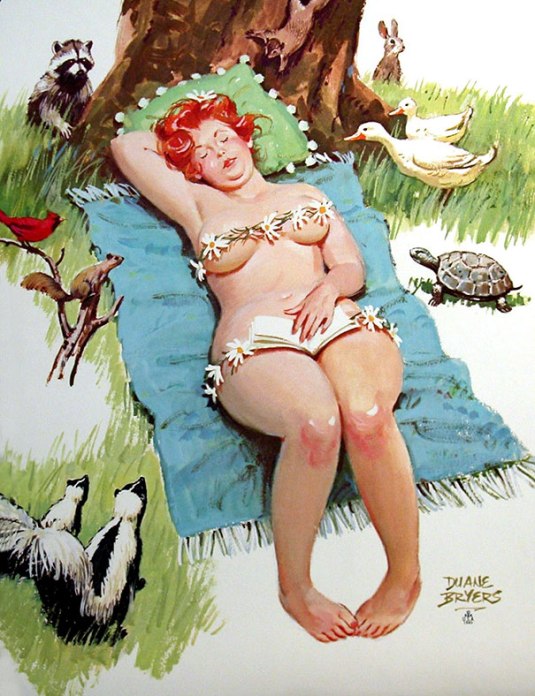
red vibrates
red knees
red cardinal
red wet hair
lips pursed
toenails
high spirits
Jeanne Poland's Poetry Blog
22 Jan 2020 Leave a comment
in Poetry, Red vibrates Tags: high spirits, lips pursed, red cardinal, red knees, Red vibrates, red wet hair, toenails
red vibrates
red knees
red cardinal
red wet hair
lips pursed
toenails
high spirits
21 Jan 2020 Leave a comment
in Poetry
forgiveness…our dauil bread
 Together in comfort, acceptance and love
“forgive and comfort …or he may become so bitter, he won’t be able to recover…” 2 Corinthians 2:5-8
After forgiveness
comes comfort, acceptance, love
daily acts of faith!
21 Jan 2020 Leave a comment
in Poetry Tags: Hilda, red, red cheeks, Red Hair, red headed Hilda, red lips, red nails, red promises, red shadows, red smiles, red toes

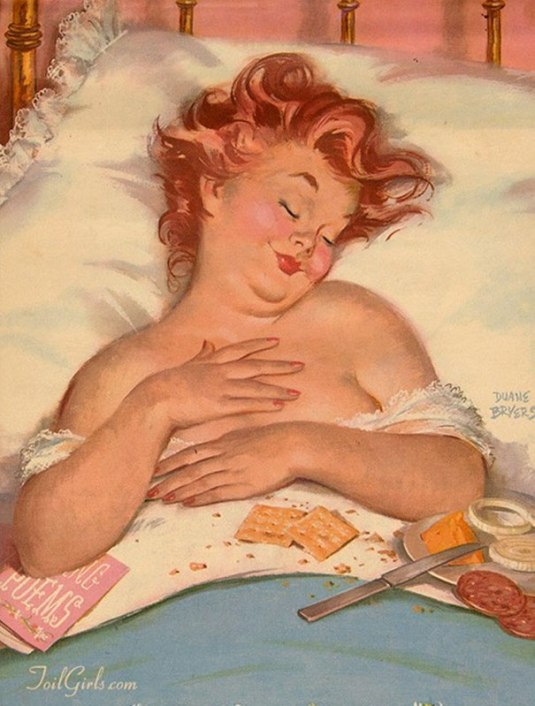

red headed Hilda
red hair
red lips
red nails
red cheeks
red shadows
red toes
red smiles
red promises
19 Jan 2020 Leave a comment
in black & white, Poetry Tags: beard and buzz cut, black & white, bow tie, DaveGerdes, formal, horn-rims dancing, knee socks, leather, pleats, skipping lightly, Utilililts, zippers
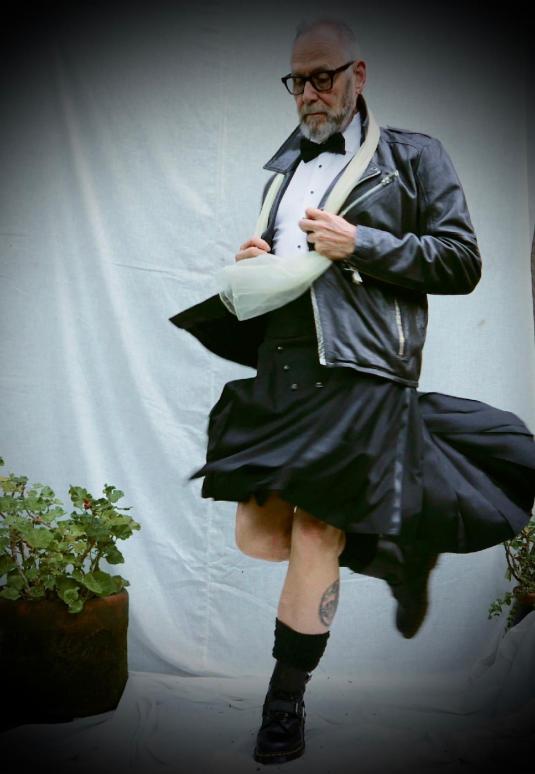
Dave Gerdes from Utilikilts
formal black and white
in leather
zippers
pleats
bow tie
knee socks
beard and buzz cut
skipping lightly
horn-rims dancing!
17 Jan 2020 Leave a comment
in 3 foxes, Poetry Tags: 3 foxes, color matters, fur color, gown color, hair color, lip color, meadow color, sleeve length, vixens

color matters
fur color
hair color
gown color
lip color
sleeve length
meadow color
vixens
16 Jan 2020 Leave a comment
in Poetry Tags: 1431, earnest Mark Twain, Feb 5th, February warrior, heresy, Jeanne d'Arc, Joan made France love itself, moves mountains, namesake, the captured Orleans

t-shirt bought for my Feb 5th Birthday
My Namesake:
It was on this day in 1431 that Joan of Arc was burned at the stake in Rouen, France. In the centuries that have passed, she’s become a national icon in France. She is to the national identity of France, novelist Julian Barnes notes, what Robin Hood is to England.
Statues of Joan of Arc stand all over parks and churches in France, and nearly every French town has a street named for her, called “Jeanne d’Arc.” One 19th-century historian wrote that Joan of Arc “loved France so much that France began to love itself.”
Joan of Arc was a 13-year-old peasant girl when she began to hear voices in her garden. The voices, she recounted, were those of saints Michael, Margaret, and Catherine, and they eventually told her that she needed to save France. At the time, France was engaged in the Hundred Years War, and the English had the French town of Orleans under siege. In April of 1429, Joan of Arc asked the French government for troops that she could lead to liberate the captured Orleans. She’d met with the crown prince and theologians, and they thought she could be of use in the fight against the English, and so Joan of Arc was given an army to command.
She went into battle wearing a white suit of armor and carrying up high a banner depicting an image of the Trinity. An English arrow hit her in the shoulder, but she was OK. Her army succeeded in liberating Orleans: English troops fled, and Joan’s army took over their surrounding forts.
In another battle, Joan of Arc — now known as “the maid of Orleans” — was taken hostage by Burgundian troops and sold to the English. She was imprisoned for over a year, often chained to a wooden block, while interrogators attempted to extract confessions out of her. Then, on February 21, 1431, she was brought to trial under an ecclesiastical court. She stuck to her story that she had heard the voices of saints and it was they who commanded her to serve France. Interrogators demanded that she retract her statements. She was convicted of heresy and brought before a large crowd to be sentenced, condemned, and handed over to secular officials. Then, on this day, when she was 19 years old, she was burned at the stake.
In 1456 (25 years after she died), a posthumous retrial was held at which she was exonerated. In 1920, she was canonized a Catholic saint. Joan of Arc has been portrayed in more than 20 films; the first was made by director Georges Melies in 1899. And she’s the subject of more than 20,000 books.
One of these is by Mark Twain (books by this author), who spent 12 years researching her life and wrote a book called Personal Recollections of Joan of Arc, first serialized in Harper’s Magazine and then published as a book in 1896. It’s a fictional account and purports to be written by Joan of Arc’s page and personal secretary. But the book is mostly devoid of the humor that Mark Twain is famous for. He genuinely admired Joan of Arc, and wrote an earnest book about her.
Mark Twain later said, “I like Joan of Arc best of all my books; and it is the best; I know it perfectly well.”
15 Jan 2020 Leave a comment
in dancing, Poetry Tags: all the failures of the great leaders, All the ills of mankind, all the misfortunes in history books, dancing, have arisen from a lack of skill, JulieRohan Zoch, Moliere
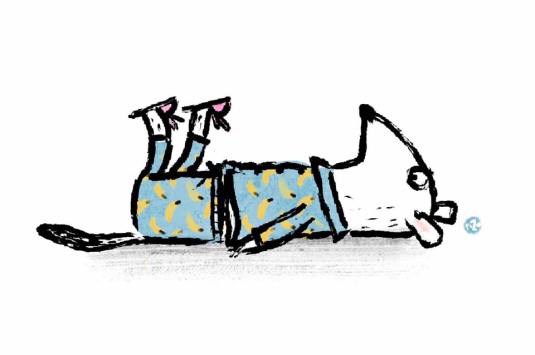
by Julie Rohan Zoch
Molière
said,
“All the ills of mankind,
all the tragic misfortunes that fill the history books,
all the political blunders,
all the failures of the great leaders
have arisen merely from a lack of skill
at dancing.”
14 Jan 2020 Leave a comment
in Poetry
I need to see this psalm again
 Annika
1/13/2015
Psalm 139
Lord, you know everything about me:
when I sit or stand
my every thought.
You tell me where to stop and rest
and know every word I’m going to say.
I can never be lost to your spirit.
If I ride the morning wind to the farthest oceans,
your hand will guide me.
Darkness and light are the same to you.
You made all the delicate, inner parts of my body and knit them together in my mother’s womb.
You scheduled each day of my life before I began to breathe.
Many times a day, your thoughts turn to me.
Know my heart; find in me what makes you sad, and lead me out.
14 Jan 2020 Leave a comment
in human seed, Poetry Tags: at a rest stop, bumper to bumper, Family Vacation, first day of vacation, five hours to go, human embryo on the head of a pin, human seed, John Kenny, kids fighting, men's room of a Roy Rogers, offI-95, relaxing, the man in the next stall, whisper

human embryo on the head of a pin
Family Vacation
by John Kenney
This is relaxing
I think to myself
on the first day of our vacation
as I hide
in the men’s room
of a Roy Rogers
at a rest stop
just off bumper-to-bumper I-95
while the kids
continue fighting
with tennis racquets
in the back seat.
And only five more hours to go.
I don’t want to leave this place
I whisper aloud.
Neither do I
says the man in the next stall.
“Family Vacation” by John Kenney from Love Poems (for People with Children). G.P. Putnam’s Sons © 2019. Reprinted with permission.


 The Vibrant Channeled Creator