TUESDAY, MARCH 26, 2024 “it is the moment to take away the stone and to go out towards Jesus, who is close. Can we open our hearts to him and entrust our worries to him? Do we do it? Are we able to open the tomb of problems — are we capable — and look over the threshold, towards his light, or are we afraid of this? And in turn, as small mirrors of God’s love, do we manage to illuminate the surroundings in which we live with words and gestures of life? Do we bear witness to the hope and joy of Jesus — we, sinners, all of us? And also, I would like to say some words to confessors: dear brothers, do not forget that you too are sinners, and you are in the confessional not to torture but to forgive, and to forgive everything, just as the Lord forgives everything.”
Aries is the first sign of the zodiac, and that’s pretty much how those born under this sign see themselves: first. Aries are the leaders of the pack, first in line to get things going. Whether or not everything gets done is another question altogether, for an Aries prefers to initiate rather than to complete. astrology.com
Mode + element: Cardinal fire
Symbol: The Ram
Body part: The head
Ruling Planet: Mars
Ruling House: First
Colors: Red & mustard
Mantra: I Am
Tarot card: The Emperor
Greatest Compatibility: Libra, Leo
Please go to see the 3 related posts, especially the film from 2015: Quenby’s Fortieth Birthday. It is a big party showing the wealth of Quenby’s friends
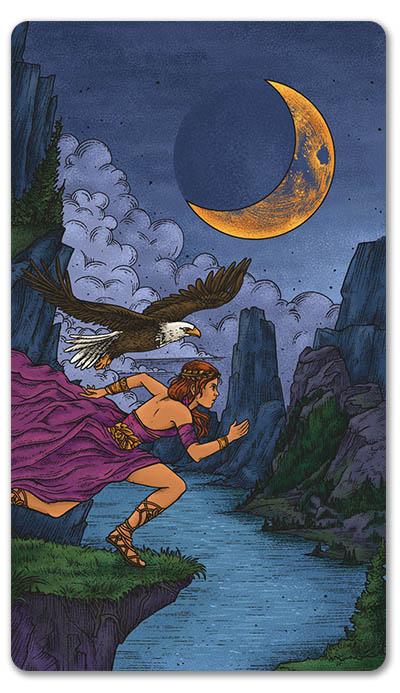
The Crescent Moon When the Crescent Moon card shows up in your reading, it heralds a profound transformation, offering the promise of a whole new chapter in your life. Figuratively, it implies you are standing on the edge of a metaphorical cliff, ready to leap forth and unfold a new life phase. The woman’s run towards the cliff edge under the beautiful, luminous Crescent Moon signifies that you are eager to incur change, welcoming new beginnings with open arms. The woman in the card symbolizes courage, while the bald eagle by her side represents freedom and power. The woman and the eagle running towards the cliff indicate a partnership and a mutual understanding to face this new stage of life together. The river below the cliff signifies life’s constant flow, a powerful reminder that everything in life is continually moving and changing, making the cliff’s edge a precipice of opportunity, not one of fear.
The Crescent Moon casts light on aspects of life that need your attention, helping align your intentions and desires, often stirring latent passions in you. Thus, inspiring you to make critical life decisions that pave the way for transformation. As the woman leaps towards the precipice, you too might experience the stirrings within for a fresh perspective on life, an untapped potential or even an urge to explore unknown territories. While the moon is not fully visible, only a thin crescent shining in the dark, it suggests that you might not have a complete view of where your choices are leading you. Nevertheless, you are ready to accept the new realities that await you, using your wisdom to navigate through the ambiguities. The bald eagle flying by the woman’s side is a powerful symbol of courage, independence, and the capability to take flight, helping you embrace the forthcoming transformation.
Let Your Inner Self Unleash Fresh Transformations
The Crescent Moon card encourages you to harness the energy to initiate changes confidently and welcome new beginnings. As the woman jumps into the unknown, you, too, are being asked to take the courage to dive into unexplored dimensions or aspects of your life. Remember that the courage required to face newer life avenues will always result in growth, wisdom, and happiness. Dwelling on questions such as: What kind of change are you ready to bring about in your life? What creates a sense of fulfillment in you? How can you prepare for engaging in new beginnings? – can trigger profound insights aiding you in this transformation process.
What the Crescent Moon Means for You Today
The Crescent Moon card is your beacon of hope today. It is signalling a period of transitions, urging you to step into the unknown confidently. There may be uncertainties, yet you are not afraid. The appearance of this card is an optimistic indication of things starting to fall into place for you, stimulating you to foster change, and encouraging you to look forward to fresh dawn to bloom. As in the image, you might be standing on the precipice of a big leap, symbolizing facing changes bravely, preparing you for rewarding transformations. Appearing today, it guides you to wholeheartedly welcome change, reinforcing that the journey into the new is just as gratifying as the eventual destination.
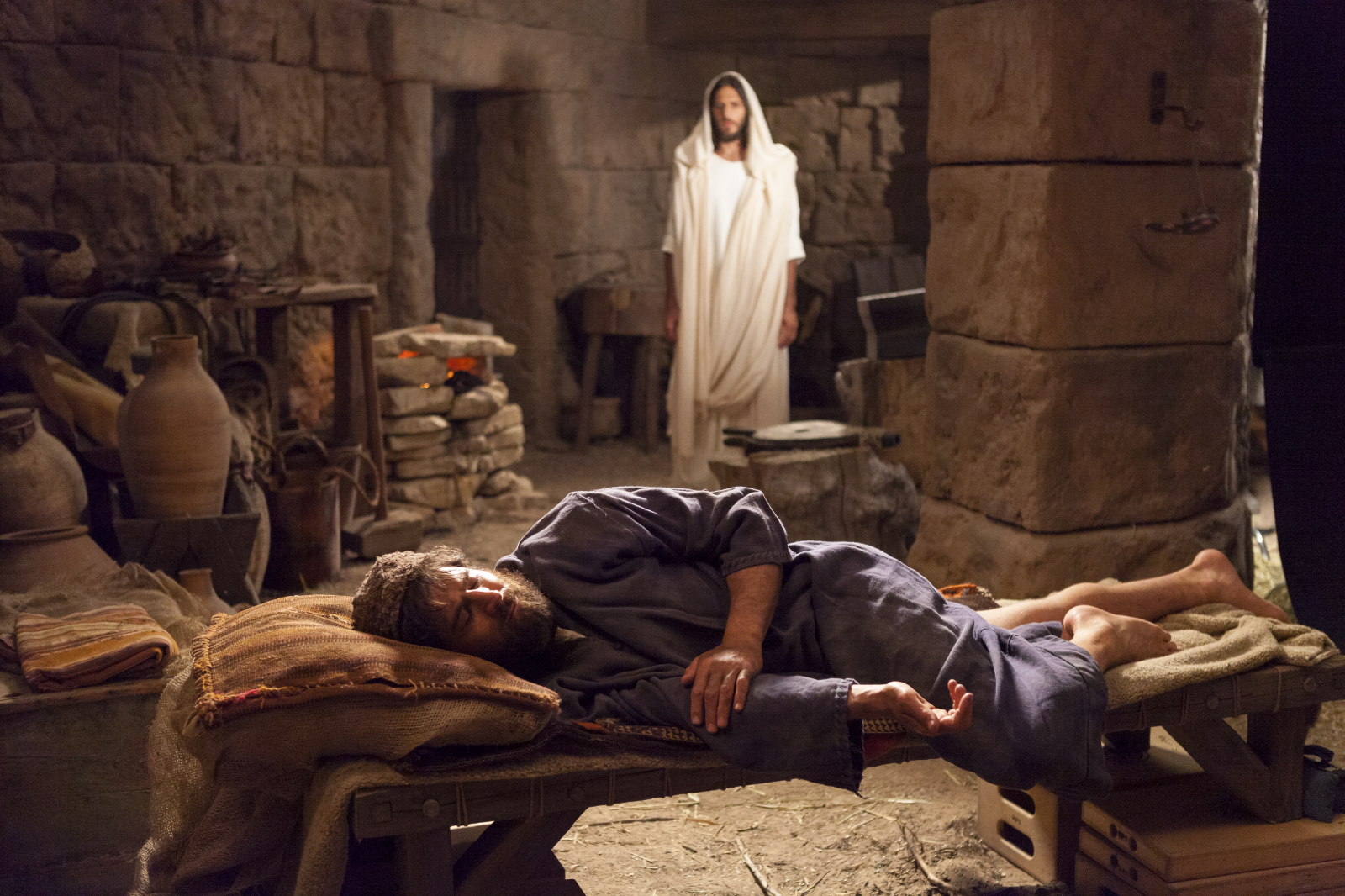
“God, whom we often imagine to be beyond problems, came to live in our life and its problems. This is how he came to us. He did not come as a fully grown adult, but very little. He lived in a family, as the son of a mother and father. He spent most of his time there, growing, learning, in a life made up of ordinariness, hiddenness and silence. And he did not avoid difficulties. Rather, by choosing a family, a family that was “expert in suffering”, he says this to our families: If you are facing difficulties, I know what you are experiencing. I experienced it. I, my mother and my father, we experienced it so we could say to your family too: You are not alone!”
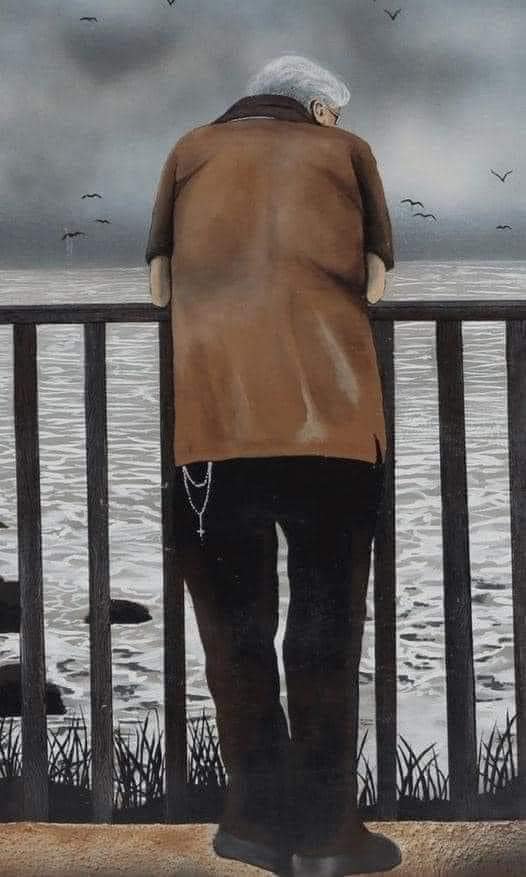
Joe Becigneul · I asked a friend who has crossed 70 & is heading towards 80 what sort of changes he is feeling in himself? He sent me the following:
After loving my parents, my siblings, my spouse, my children and my friends, I have now started loving myself.
I have realized that I am not “Atlas”. The world does not rest on my shoulders.
I have stopped bargaining with vegetable & fruit vendors. A few pennies more is not going to break me, but it might help the poor fellow save for his daughter’s school fees.
I leave my waitress a big tip. The extra money might bring a smile to her face. She is toiling much harder for a living than I am.
I stopped telling the elderly that they’ve already told that story many times. The story makes them walk down memory lane & relive their past.
I have learned not to correct people even when I know they are wrong. The onus of making everyone perfect is not on me. Peace is more precious than perfection.
I give compliments freely & generously. Compliments are a mood enhancer not only for the recipient, but also for me. And a small tip for the recipient of a compliment, never, NEVER turn it down, just say “Thank You.”
I have learned not to bother about a crease or a spot on my shirt. Personality speaks louder than appearances.
I walk away from people who don’t value me. They might not know my worth, but I do.
I remain cool when someone plays dirty to outrun me in the rat race. I am not a rat & neither am I in any race.
I am learning not to be embarrassed by my emotions. It’s my emotions that make me human.
I have learned that it’s better to drop the ego than to break a relationship. My ego will keep me aloof, whereas with relationships, I will never be alone.
I have learned to live each day as if it’s the last. After all, it might be the last.
I am doing what makes me happy. I am responsible for my happiness, and I owe it to myself. Happiness is a choice. You can be happy at any time, just choose to be! I decided to share this for all my friends. Why do we have to wait to be 60 or 70 or 80, why can’t we practice this at any stage and age? Originally shared to me by my cousin Marie.
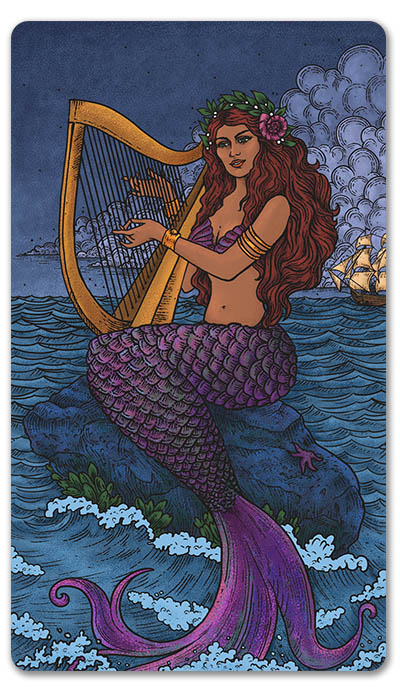
The Siren “Our love was alluring and sometimes perilous, like the siren’s call that tempts sailors to rocky shores. Learn from its seductive lessons, understanding the balance between allure and caution. The siren, a symbol of irresistible attraction and danger, mirrors the captivating yet seductive nature of our passion.” When you draw the Siren card, it signifies a powerful message from a past romantic relationship that was enchantingly enticing but potentially dangerous. This card speaks about love that’s hypnotic and captivating but can also be risky or damaging. The Siren commands your awareness, with an invitation to delve into the deep waters of your past romantic experiences, providing valuable insights that are essential for your future love life. The Siren can symbolize a relationship that was both passionate and volatile in nature. These types of relationships often teach us the most valuable lessons about how we love and what we are willing to endure for that love. Like the alluring yet dangerous Siren in the sea, this past love might have been enchanting and irresistible, but it may have also led you astray from your path, causing hardship or even heartbreak. This card indicates that your past experiences can offer important insights and lessons for your future relationships. The Siren’s music is captivating, but it may also lead a ship to its demise. Similarly, your previous relationship may have been electrifying yet damaging, and it’s time for you to decode its melody. This card encourages you to seek and understand the lessons behind the alluring yet perilous love that the Siren represents.
A mesmerizing Siren in her exquisite splendor sits on a rock, her mermaid tail gently touching the cerulean water, a distant ship navigates the stormy waters in the background, symbolizing the turmoil past love has left in its wake. She strums her harp, and though the tune is captivating, it has the potential to steer you off course. The Siren isn’t only a symbol of temptation and allure but a call to exercise caution and discernment in love. This past love had a kind of luminous intensity, the kind that drags you in and holds you spellbound. Meanwhile, the Siren’s allure can also serve as a warning sign of uncharted territory ahead, symbolizing the volatile aspects of this relationship. It tells the tale of a love that was dazzling and exhilarating, however, it might have led you towards uncertain and unmapped waters.
Listen To The Song Of Your Past
The card asks you to tune into the songs of your past. What melodies are still resounding in your heart from this relationship? What verses of love and loss still echo in your mind? Which chords hit you the hardest, the sweet prefatory notes or the discordant hues of its finale? Looking back on this relationship with a clear and grounded perspective can offer you the insight needed for navigating future relationships. Think about these questions when you draw the Siren card. Is there a past love that still plays songs in your heart? What lesson did you learn from that relationship? What are the enchanting yet potentially dangerous aspects of love that the story of the Siren is cautioning you about? How can you integrate these lessons into your present and future relationships?
Interpreting The Siren Card For Your Present
The Siren card has appeared to signal that it’s time for you to listen to the echoes of your past relationships that still reverberate within your heart. It might be painful, but it’s crucial to assimilate these lessons into your current love-related experiences. If there’s one message that the Siren carries, it is that the allure of past love serves as a valuable lesson for the present. It stands as a beautiful but hazardous melody in your heart — appreciable, but something to approach with caution. Understand its tune and use it as a guide as you navigate through the tumultuous seas of love in your life.
“What should we do when we feel tempted and oppressed? Negotiate with the devil? No: there must be no negotiating with him. We must invoke Jesus, invoke him there where we most strongly feel the tightening of the chains of evil and fear. By the power of his Spirit, the Lord wants to say to the evil one again today: “Be gone, leave that heart in peace, do not divide the world, families and communities; let them live serenely so that the fruits of my Spirit, not yours, may blossom there” — this is what Jesus says — ‘so that love, joy and meekness may reign among them and so that there may be freedom and peace, instead of violence and cries of hatred’.”
Pope Francis
Forgetting names or your keys isn’t generally a sign that anything is seriously wrong with your memory, according to neuroscience. But that doesn’t mean these common lapses in memory aren’t annoying and sometimes even detrimental to your business.
Short of magically turning back the clock a few years, is there anything to do to reduce the number of important things you forget? If you’re learning a new subject or otherwise looking to cram an incredible amount of information into your brain, so-called memory athletes — people who compete to accomplish amazing feats like memorizing the order of a deck of cards in seconds — have plenty of tips and tricks to offer.
But for more everyday issues like forgetting your anniversary or an important work meeting, neuroscience has a simpler suggestion — just educate yourself a bit more about how memory actually works.
You actually have two kinds of memories. In his new book, Why We Remember, University of California, Davis memory researcher Charan Ranganath aims to do just that. And in a recent Greater Good Science Center article, he offers a few useful peeks into the book’s contents.
Our memories, Ranganath explains, aren’t like a hard drive or a photo album. Instead, what we generally think of as a single ability is made up of two separate skills, each with its own quirks. Episodic memories, laid down by your brain’s hippocampus, record specific moments in time. These types of memories are often linked to specific sensory experiences and feelings. That’s why listening to a hit song from when you were a teen can bring back rich, detailed recollections of when you heard it back then. It’s also why feeling sad now will often trigger memories of times you felt sad in the past. Your prefrontal cortex is responsible for the other type of memory — semantic memory — which records not isolated episodes, but skills or lessons gleaned from your past experience. “So, while the hippocampus might contain memories of the many places we’ve left our house keys in the past, the prefrontal cortex might recognize a pattern in those memories and help us know where to look for a lost pair. It may also notice a pattern of memory lapses, signaling us to be more careful in the future,” Greater Good offers as an example. How to make memories stick All of which is a fascinating bit of neuroscience, but what’s the practical takeaway? Ranganath insists that understanding your memory suggests ways to improve it.
First, don’t forget the basics. Studies show not getting enough sleep is terrible for your memory (you probably didn’t need science to tell you that), and Ranganath endorses the use of mnemonic devices like the rhymes and acronyms we all used to memorize the colors of the rainbow or the year Columbus first reached America when we were kids. If you understand that episodic memories are often linked with particular sensory experiences, you can leverage that to boost your memory as well. So put on that ’90s playlist or cook your mom’s signature dish if you want to take a trip down memory lane (science suggests indulging in nostalgia is good for you). You’re also more likely to recall something if it is linked with a fresh, strong sensory experience, which is why “going to a new restaurant with your romantic partner will make the experience more memorable than going to a favorite hangout, where you often dine,” Greater Good explains. Finally, if you understand that semantic memory is a distillation of many experiences, you can help support your brain’s efforts to turn moments into memories in several ways. Recalling a memory multiple times helps cement it in your mind (though be warned that memories tend to shift each time we bring them to mind, so this can corrupt memories too). Talking through memories with others might alter them slightly, but it works to turn isolated fragments into a lesson or story that sticks with you. “When we get to know the remembering self, we can seize the opportunity to play an active role in our remembering, freeing ourselves from the shackles of the past,” claims Ranganath. Understanding how memories are made empowers us to better guide the process of laying them down and recalling them. I can’t guarantee that means you will never forget your keys, but it should help you lock in the memories that are most important to your life and work. keys isn’t generally a sign that anything is seriously wrong with your memory, according to neuroscience. But that doesn’t mean these common lapses in memory aren’t annoying and sometimes even detrimental to your business.
Short of magically turning back the clock a few years, is there anything to do to reduce the number of important things you forget? If you’re learning a new subject or otherwise looking to cram an incredible amount of information into your brain, so-called memory athletes — people who compete to accomplish amazing feats like memorizing the order of a deck of cards in seconds — have plenty of tips and tricks to offer.
But for more everyday issues like forgetting your anniversary or an important work meeting, neuroscience has a simpler suggestion — just educate yourself a bit more about how memory actually works.