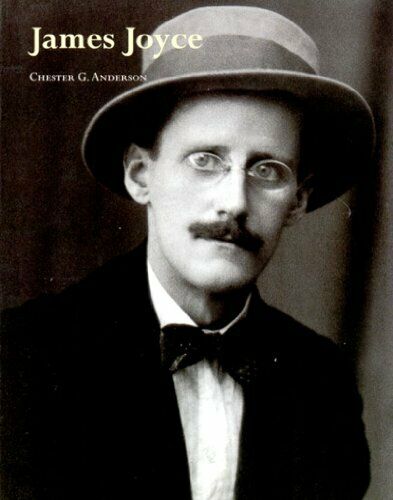
Joyce was afraid of thunder and lightning — during electrical storms he would hide under bedcovers — and he was also afraid of dogs, and walked around town with rocks in his pockets in case he encountered any roaming mutts. He didn’t care for the arts, other than music and literature, and he especially had no patience for art like painting. Over his desk he kept a photograph of a statue of Penelope (from Greek mythology, the wife of Odysseus/Ulysses) and a photograph of a man from Trieste whom Joyce wouldn’t name but said was the model for Leopold Bloom. On his desk he had a tiny bronze statue of a woman lying back in a chair with a cat draped over her shoulders. All of his friends told him it was ugly, but he kept it on his desk anyway. One of his Parisian friends remarked, “He had not taste, only genius.”
James Joyce treated people invariably as his equals, whether they were writers, children, waiters, princesses, or charladies. What anybody had to say interested him; he told me that he had never met a bore. … If he arrived in a taxi, he wouldn’t get out until the driver had finished what he was saying. Joyce himself fascinated everybody; no one could resist his charm.”


